
4 years, 4 months old
Adding a Dash of Creativity 🌟
Play ideas, a book, a song and a little encouragement for your 52 month old, from Maddie.

By Maddie, early childhood educator and Mum
6 min read · Updated
In this guide
Hey there!
As you step into this month, you might notice you might be having so much fun with loads of creativity and imagination, advancing their sporty skills, maybe even really becoming interested in letters, numbers, and words. They’re of course still asking a million questions, and sometimes the same questions repeatedly, their trying out new words, (that burst of language always catches you off guard!) and just diving head first into everything they do!
And then there’s the food side of things… 😅
I wanted to have a little conversation about this, as from birth it is a main topic of conversation, and at times can really feel all encompassing!
You have probably already experienced many frustrating and exciting moments with food. One day they love something, the next day it’s “yuck.” You might feel like you’re making the same three meals on repeat, or wondering how something they ate happily last week is now completely off the table. For some families, this is where things might start to shift again (hopefully); little ones may be becoming more open to trying new foods. And for others, the picky phase is still very much in full swing.
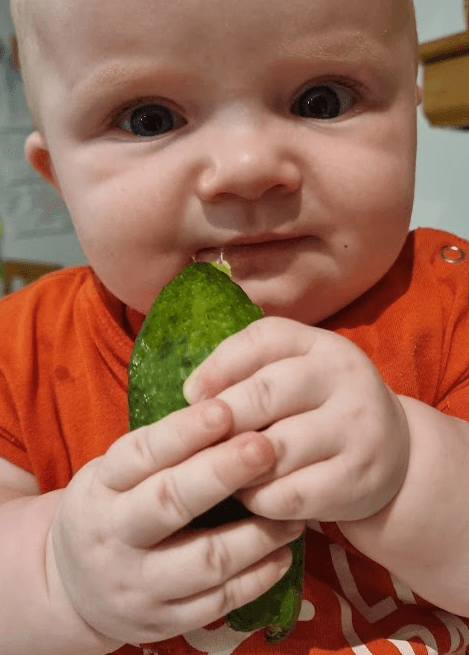
You might find yourself loving the kitchen less than you used to… or maybe more, with little hands helping, mixing, and experimenting alongside you. Some days, meals run smoothly… and other days you’re just hoping they eat something 😅
Occasionally (rarely, at the moment), our dinners feels almost magical; everyone sitting, chatting, actually eating, sharing bits of their day. But most of the time? It’s a full-blown circus. My partner and I are trying to eat while the kids play musical chairs, climb over us, spill water, perform magic tricks with broccoli… or completely reject the meal and casually help themselves to bread and butter or dry Weet-Bix.
And honestly? That’s just this stage, as hard as it can be somedays it will pass.
So wherever you're at with it all, its all normal.
So to lift the pressure of the food lets have a look at the activities for the month we have!
Little Kitchen Helpers (Cooking + Life Skills + Confidence)
How: Invite your child into the kitchen as your “helper” for a simple meal or snack. Think easy tasks like stirring, pouring, washing veggies, sprinkling cheese, or assembling something like wraps, mini pizzas, or fruit plates. Let them have a bit of control, choosing toppings, mixing ingredients, or plating up their own food. It might not be neat… but that’s part of the fun!
Why: Cooking builds fine motor skills, independence, and confidence. It also gives children a sense of ownership over their food, which can gently encourage them to try new things. Plus, it’s a beautiful way to connect; side by side, chatting, learning, and creating something together.
It adds a low-pressure meal to the day and can stretch things out beyond the usual 2-minute eat-and-dash. You might even find them eating as they go; the secret bonus of this activity!

I’ve noticed with my own girls that when they help make their snacks, things shift alittle. My eldest, who’s the most particular, has started trying new foods and even experimenting with different combinations. And my Nia, who used to eat everything but has become a bit more selective this past year, will often eat happily while creating her own plate; before it even makes it to the table. Even little bits of control, like giving them a cup of milk to pour over their own cereal can change the vibe at breakfast!
Activity 1: Red Light, Green Light (Big Movement Game)
How: This can be played outside for big running energy or inside as a freeze dance.
Call out:
Green light = GO! Run, skip, hop, crawl; whatever movement you like
Red light = FREEZE! Bodies must stop completely
Add extras for fun:
Yellow light = slow motion
Blue light = dance party
Purple light = jump like crazy
Orange light = balance on one foot
You can be the “traffic controller,” or let the kids take turns calling the lights (they LOVE this part).
Why: Games like this are doing so much more than just burning energy. They’re helping children practise stopping and starting their bodies, which builds self-regulation (a big skill at this age). There’s also coordination, listening, and quick thinking involved as they switch between movements.
Plus, it’s one of those magical games where you can meet them exactly where they’re at…
big, fast runs when they need to let it out, or silly dancing and freezing when you need to bring the energy down a notch 💛
If you want to continue that shared control, let them be the traffic controller and you do the actions; especially if your playing this with only one child, they will love this!
Song of the Month: Heads, Shoulders, Knees and Toes
Sing together while pointing to each body part:
“Heads, shoulders, knees and toes, knees and toes…”
Start nice and slow, then gradually get faster (this is where the giggles really kick in 😄). You can mix it up by:
Using silly voices (whisper, robot, opera!)
Swapping actions (jump instead of touch)
Calling out body parts for them to find on their own
This classic is like rocket fuel for learning. It helps children build body awareness, coordination, and early language as they connect words to their bodies. Speeding it up challenges their memory and concentration, while all the bending, stretching, and reaching gives their big muscles a gentle workout too.
Book of the Month: The Very Busy Spider
A tale that unfolds with textures to feel and a spider who spins throughout. It offers a chance to touch, feel, and hear. It's about following the spider’s busy day, but who cares about finishing? The most delightful part is the closeness and the conversation that accompanies the pages. Whether this book or any other, your shared reading moments are what truly matter.
Did You Know?
It can take 10–15 times of seeing or trying a food before a child starts to like it?
That means if your child says “no thanks” to broccoli today… that’s not the end of the story! Every time they see it, touch it, smell it, or even just have it on their plate, they’re learning about it.

Social & Emotional Skill Building
Encouraging an 'I’ll try first' attitude helps them build confidence and independence. Give them space to explore before stepping in. When they attempt something new, celebrate their courage with a simple acknowledgment:
'I saw you tried that all by yourself. How amazing!'
These small acknowledgements build resilience and a sense of self-worth.
✨ Remember
Through all the play, the singing, and the stories, the many "wasted" meals what they need most is you; gentle support, a listening ear, and your loving presence. Your days, filled with laughter, questions, and even a bit of chaos, are exactly right.
You're doing more than beautifully. Every cuddle, every silly dance, every whispered 'I love you' is laying a foundation of love and trust that will last a lifetime.